

Scroll to read our process (OR)
At the cutting edge of technology, Microsoft's Research Group has always been in the spotlight for exploring new capabilities like Artificial Intelligence (AI) and Machine Learning (ML). They are known for pushing technological boundaries and forming partnerships that change industries. Amidst all this tech innovations, there’s a missing piece: User Experience and Research Design (UXRD). Until now, it’s been the overlooked factor in their innovation processes.

UXRD: The Strategic Edge in Innovation
UXRD, or User Experience and Research Design, is more than just design—it's about understanding users and their behaviors to fuel innovation.The goal is simple yet profound: to discover the most valuable product and service opportunities that align with what users truly want. It’s about building strategies, designing ecosystems, and ensuring every move is in sync with what users want—before a single line of code is written or any infrastructure is built.
In the realm of UXRD, two questions are critical:
THE TRADITIONAL PROCESS OF INNOVATION
The hurdles of Traditional Innovation Approaches
This is the traditional innovation process—a tried and tested method that has worked for years. But what happens when the pace of change accelerates, and these old approaches start to falter? Despite the chaos and unpredictability, there's a sequence to innovation—a series of steps that, while not always in order, are almost universally present. Yet, even with these steps, traditional innovation often hits roadblocks, particularly when it comes to aligning with real user needs and ensuring that the right problems are being solved, which makes the process really slow.
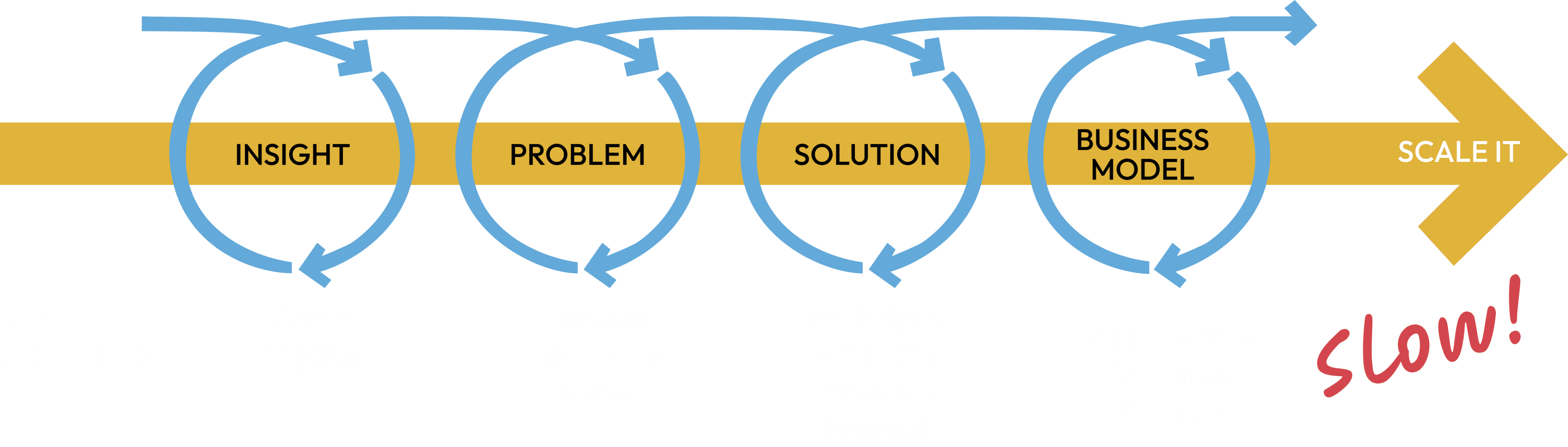
The Innovator’s Method showing the typical innovation process, Source - Nathan Furr and Jeff Dyer, hbr.org
HOW COULD WE ACCELERATE INNOVATION PROCESSES?
Fast-Tracking Innovation: Teams and Mission Aligned
How can we accelerate the innovation process to stay ahead of the curve? To understand this, we have done some secondary research on different innovation processes to gain a crystal-clear understanding of where things slow down—and where they can speed up.
Our research led us to identify two key factors that are essential for speeding up innovation:
Seamless Collaboration:
Ensuring that diverse teams—researchers, engineers, marketers—work together smoothly and efficiently.
Strategic Alignment:
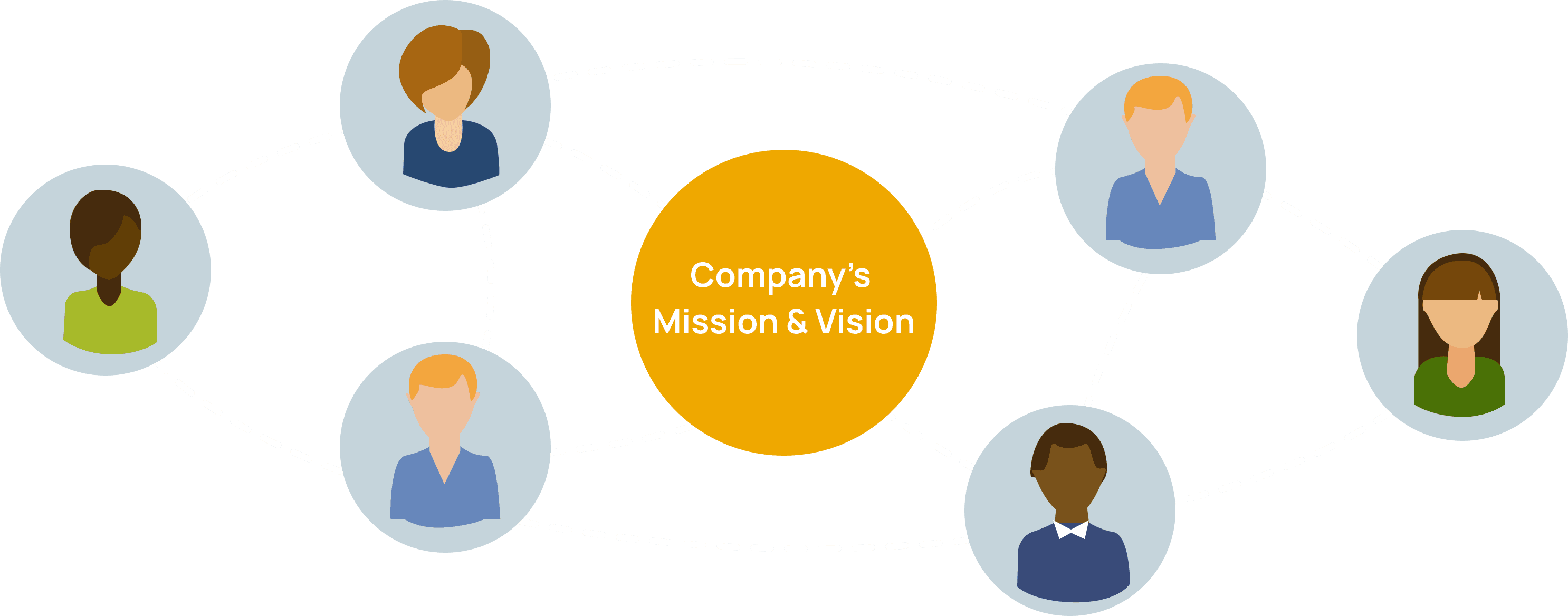
Making certain that every innovative idea is not only groundbreaking but also aligns perfectly with the organization’s mission and vision.
WHO ARE THE TARGET USERS?
The Architects of Innovation
Behind every breakthrough at Microsoft Research, there’s a team of visionaries—each with a unique role in shaping the future of technology. From the UX researchers uncovering hidden insights to the product managers turning those insights into reality, our users are the masterminds driving innovation.

RESEARCH PHASE
The Journey from hypothesis to valuable insights
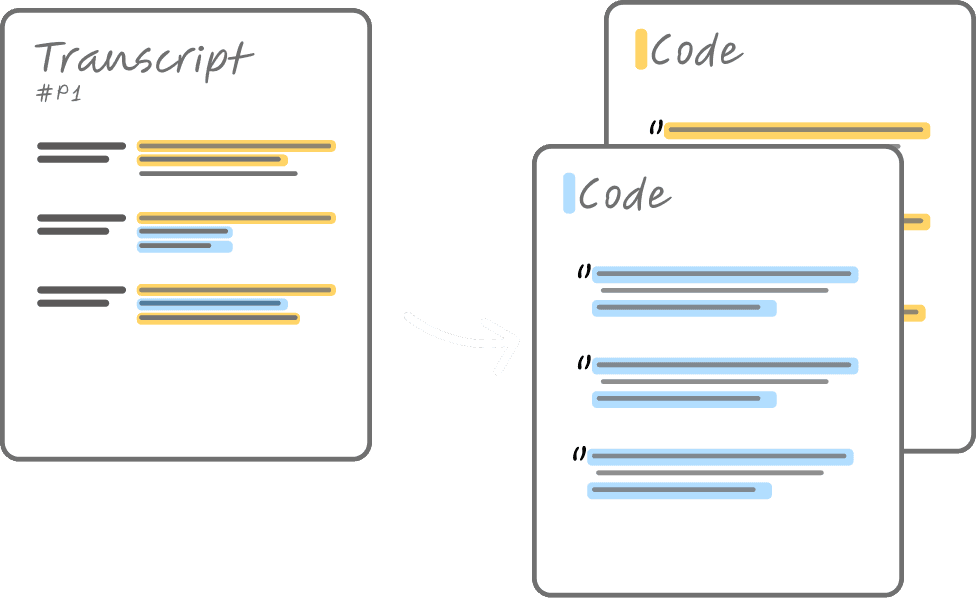
We have done our secondary research, primary research through semi-structured interviews, qualitative data coding and thematic analysis to get some interesting insights.


THEME #1
The “NIH” Syndrome
Not invented Here Syndrome (NIH) is a strong bias against ideas from
the outside.
Participants reported facing external resistance to adopting innovations, which hinders decision-making and slows progress.
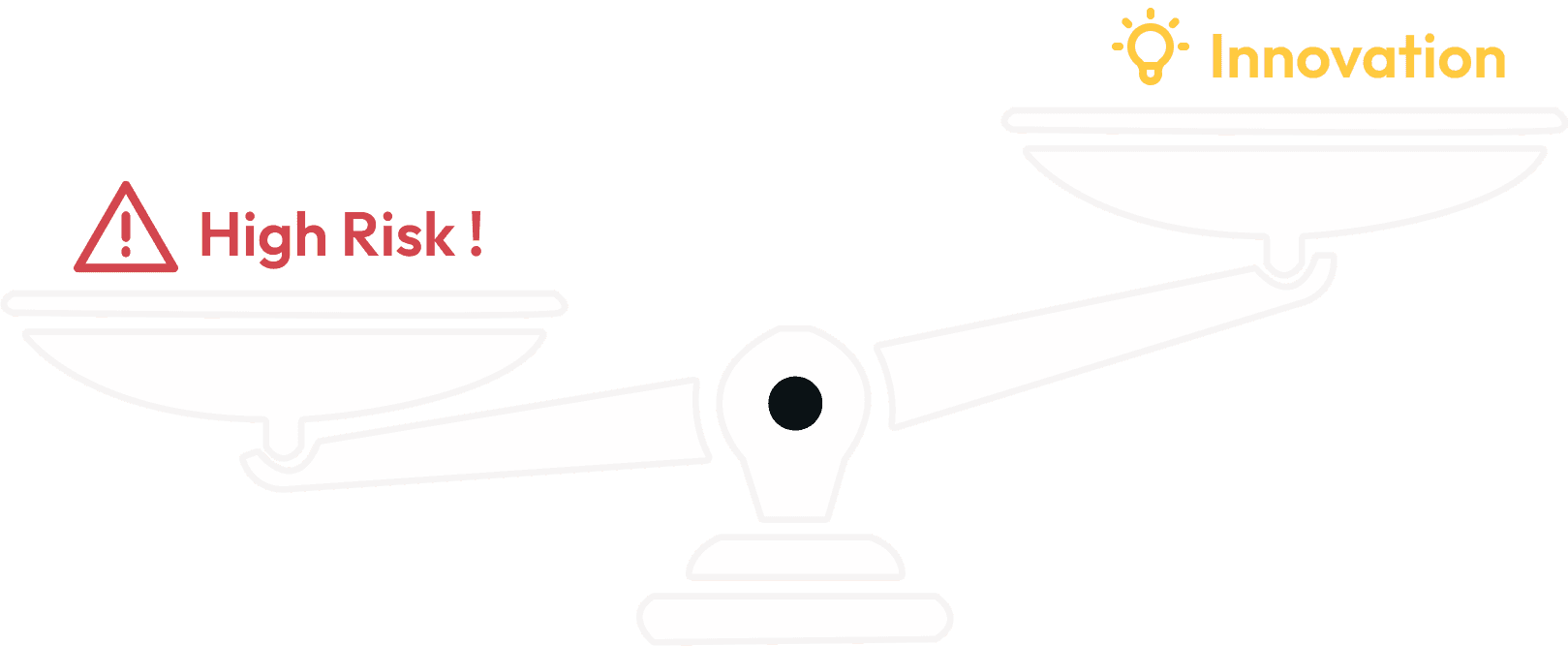
Participants highlighted this tension between sticking to established plans (adherence) and pursuing potentially groundbreaking but risky projects (innovation).
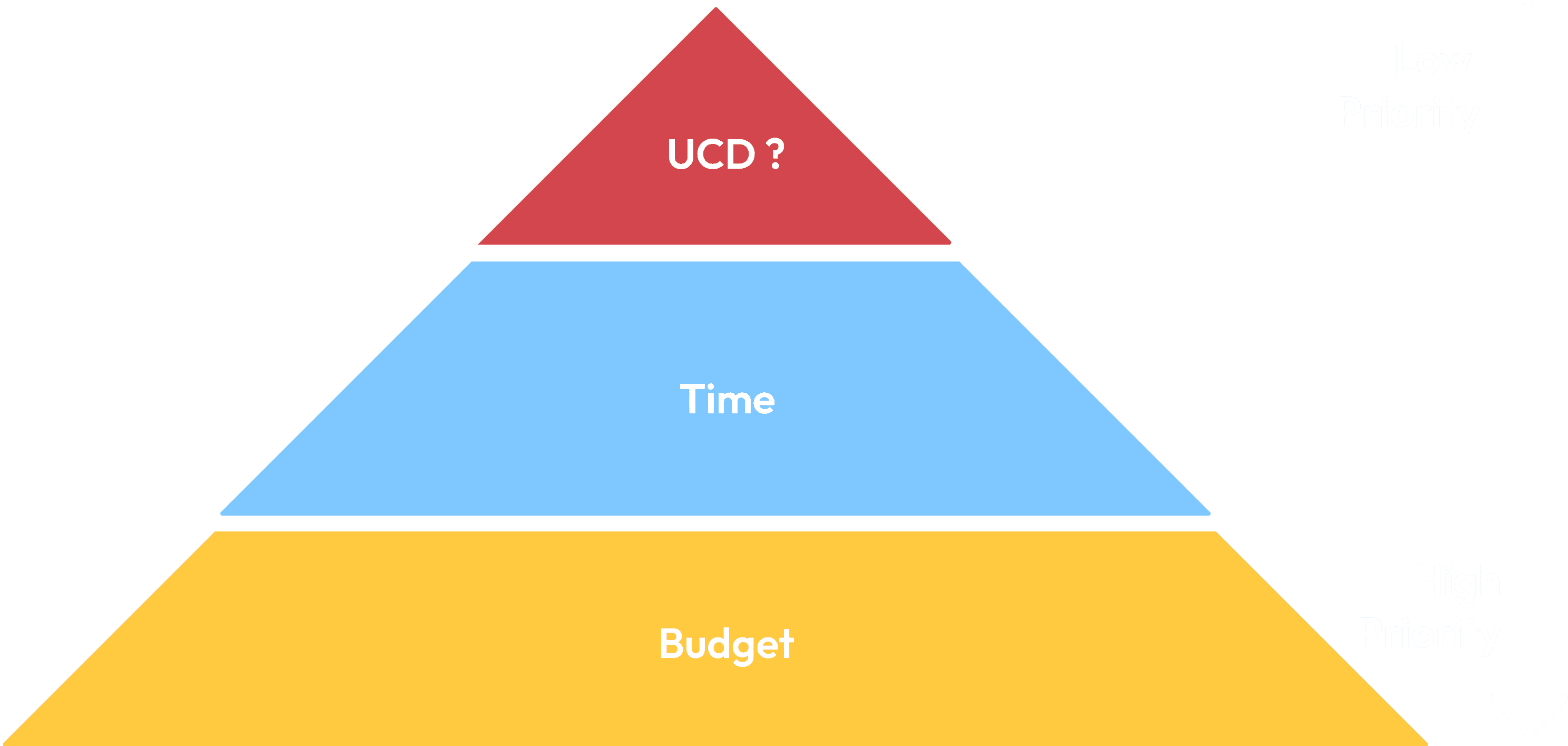
THEME #2
Barriers to Advocating for User-Centric Design
Conveying the value of user-centric design to internal professionals and helping the team understand its importance poses significant challenges.
Organizations may prioritize other factors such as budget and time constraints, potentially overlooking the importance of user-centric principles.
THEME #3
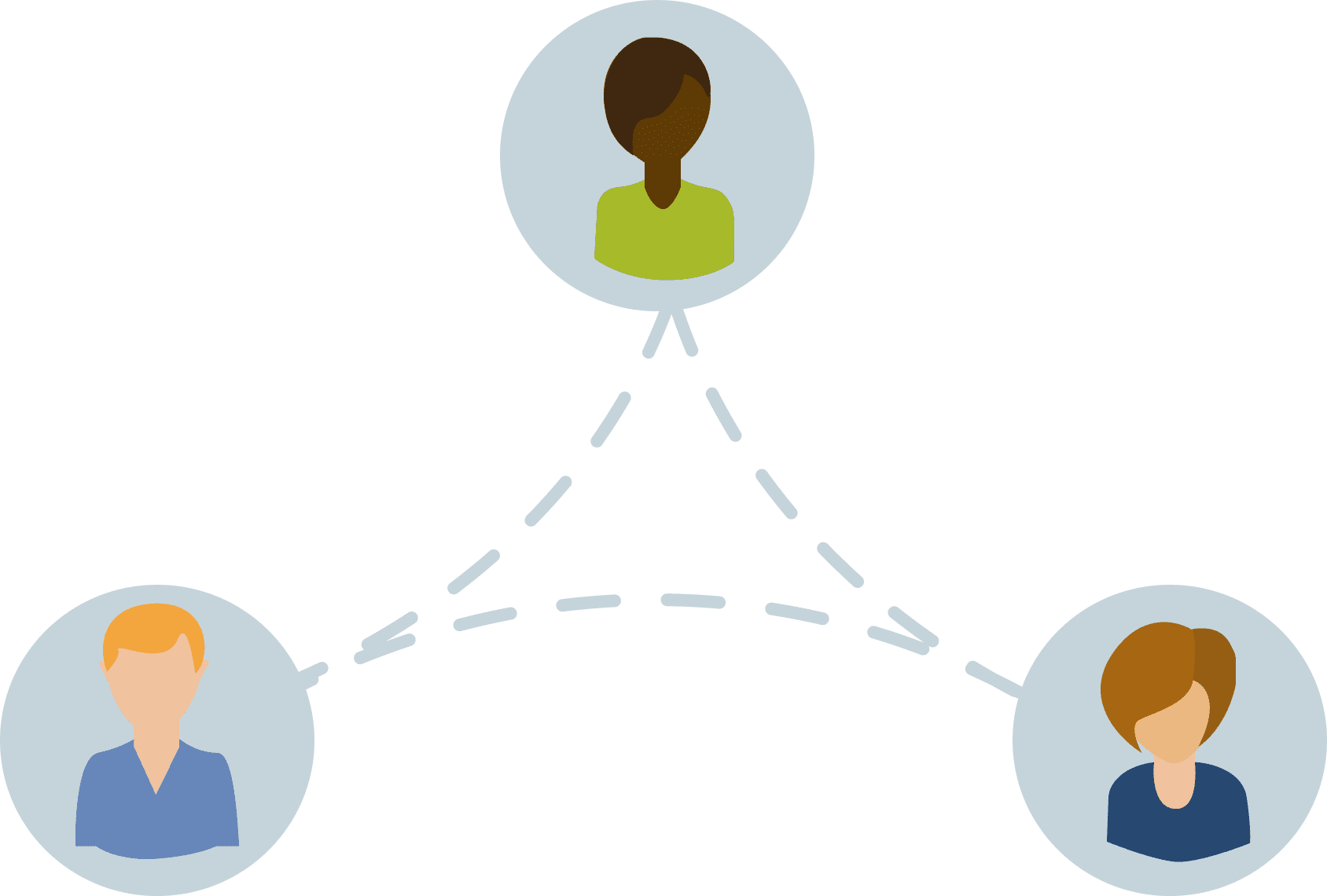
Existing Gaps in Leveraging Diverse Teams
DESIGN CONCEPTS
Turning Insights into Actionable Strategies
Using the "How Might We?" (HMW) framework, we uncovered the potential solutions hidden within our research findings.
The result?
The CUTE framework—a bold approach designed to break down the barriers that slow product innovation
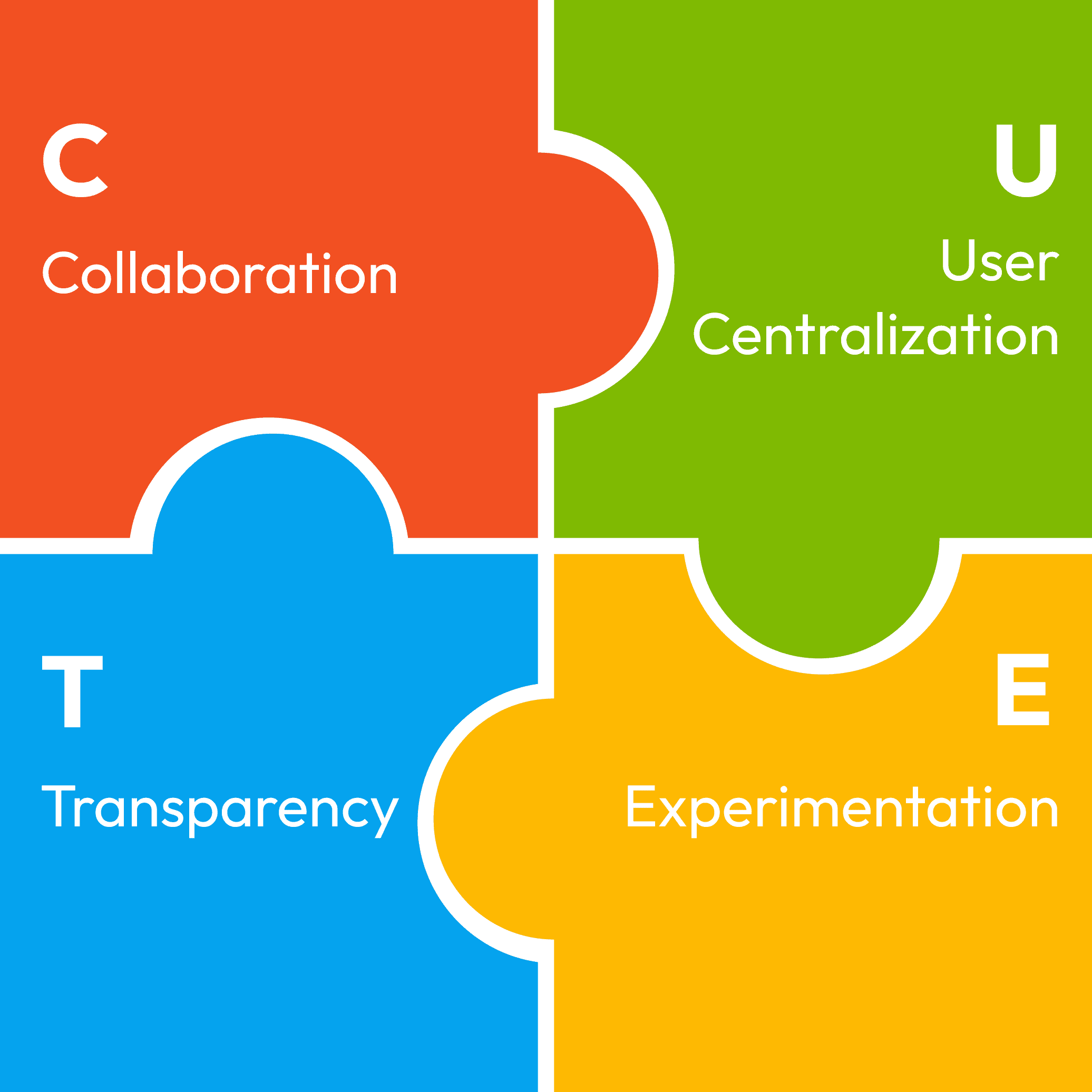
C ollaboration
U ser Centralization
T ransparency
E xperimentation
Collaboration: Bridging the gap between diverse teams.
User Centralization: Putting the user at the heart of every decision.
Copyright© 2025